
Recovery after a stroke,
a little every day.
Practice you can do out loud and on your feet.
Practicing speech and aphasia at home
Many people have trouble finding words after a stroke. Speech therapy helps people find words again, and practice is part of it. There is no wrong answer here.8
Welcome to your word practice game.
A picture word game you play by speaking. It is practice, not a test, and there is no wrong answer.
How to play
- 1Look at the picture.
- 2Say the word out loud.
- 3Tap the card to see the word.
Free · go at your own pace
This is practice, not a test. The brain can build new paths as you relearn.1 Your speech therapist can tell you what to practice. A little each day helps most.
What getting better looks like.
Rehab helps you relearn skills, and the brain can reorganize as another region takes over for the part that was hurt.14 Most people improve with treatment, especially in the first few months,12 and language can keep improving for years.8 Good days and hard days both belong here. More than 8 in 10 survivors live in their own community.5 The practice above is a gentle way to keep going.
24-48 hrs
when rehab often begins4
8 in 10
survivors live in their community5
Every day
a little practice adds up
Check your medicines.
After a stroke there are often blood thinners and blood pressure medicines to keep straight. Look each one up, and it goes onto a sheet you print and carry to your visit. We never tell you to stop or change anything. If typing is hard, ask the person helping you, or bring your pill bottles to your next visit.
Never stop or change a medicine on your own. This tool is here to help you talk with your doctor, not to replace them.

FunctionalHealth
My medicine list
Type a few letters and pick your medicine from the list. If it is not there, add it just as it reads on your bottle.
For example: lisinopril.
Search powered by the NIH RxTerms database. Your care team manages dosing.
Saved on this phone only. Nothing is sent to us. Your list stays here for your next visit, and shows up on your other guides too.
No medicines on the list yet.
What happened, explained.
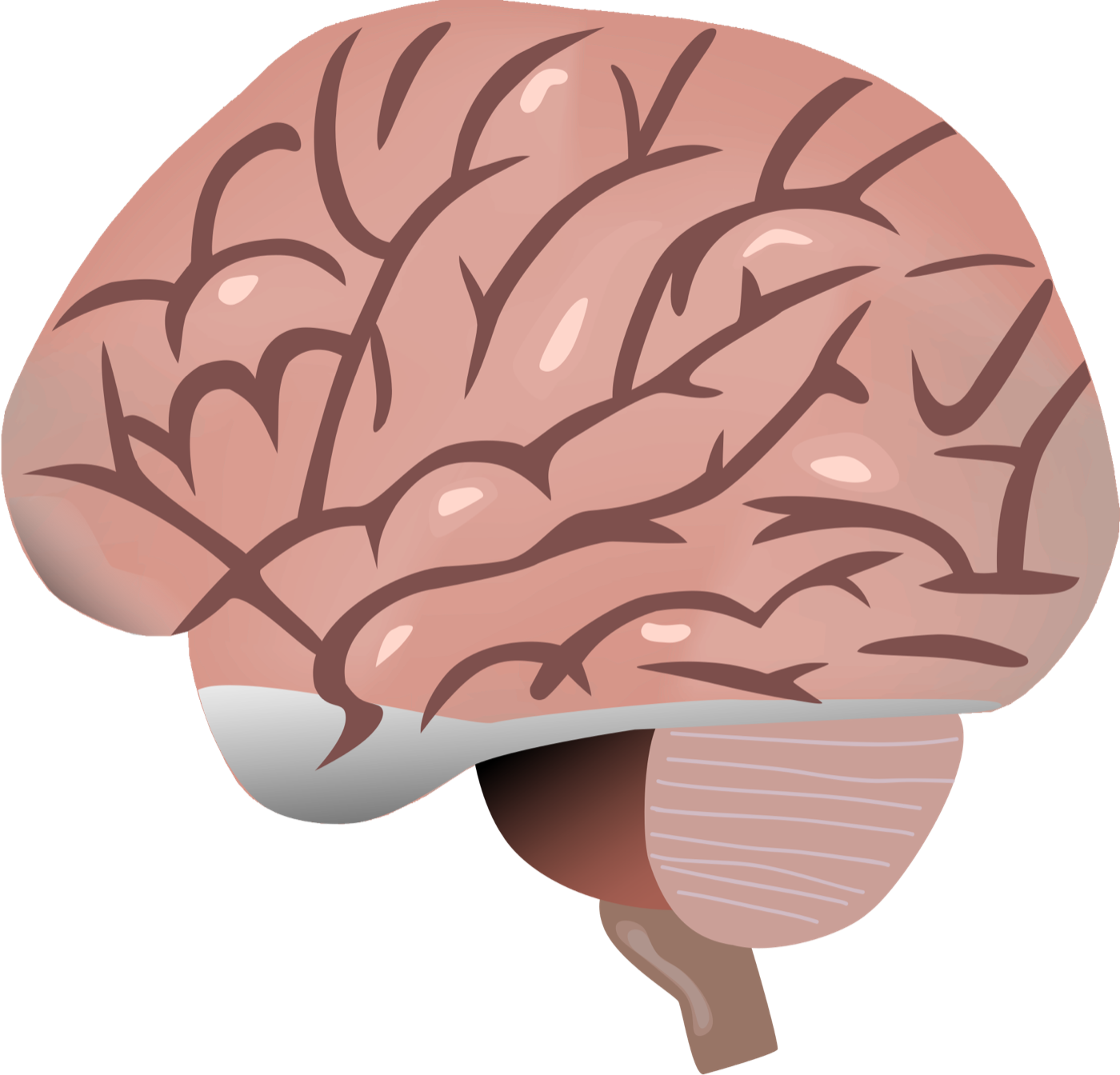
See what a stroke did inside, in two calm minutes. Pick what your care team told you, and we walk it through one picture at a time. No hard words.
FunctionalHealth
What did your care team say is going on?
Tap the one that sounds like you. There is no wrong answer. If you are not sure, your discharge papers usually say, or ask your care team.
Care teams use many names, and not every condition is here yet. That is completely OK. Ask your care team what to call what happened, and you can read about most conditions in plain words at MedlinePlus.
MedlinePlus health topics (NIH)Everyday things that help.
Tap a card to open a few simple ideas. These are places to start, not a full plan. Your care team knows what is right for you.
Guided daily recovery
Keep this going, every day.
A free account saves your practice and gives you a daily recovery session built around your focus: movement, speech, mood, or daily tasks. Word practice like this lives in your library too.
Create free accountFor the person helping.
Many people lean on family after a stroke. This part is for you. Start with the signs to know.
Signs to know: F.A.S.T.
Act F.A.S.T.
Nearly 1 in 4 strokes are a second stroke.6 This card is for everyone at home.
- F
Face droops
Ask them to smile. Does one side of the face droop?
- A
Arm drifts
Ask them to raise both arms. Does one arm drift down?
- S
Speech slurs
Ask them to say a simple sentence. Is it slurred or strange?
- T
Time to call 911
Signs like these are treated as an emergency. Call 911 and note the time it started.
Your questions for the doctor.
Tap the questions you want to ask. Then print them or email them to yourself.
A helpline for survivors and caregivers, from the American Stroke Association.11
1-888-4-STROKEWeekdays, 8:30 a.m. to 5:00 p.m. Central time
Exercises adapted for stroke recovery
Movement matched to what you can do today.
More recovery guides.
Your next step
Practice a little today
One word, one movement. Small daily practice is how recovery comes back.
- 1Stroke rehab helps you relearn skills; the brain can reorganize as another region takes over. American Stroke Association
- 2F.A.S.T. stroke warning signs and what to do. American Stroke Association
- 3Stroke treatment works best when started fast; call 911 right away. Centers for Disease Control and Prevention
- 4Rehab often begins 24 to 48 hours after a stroke; PT relearns movement and strength, OT relearns daily living. MedlinePlus
- 5More than 80% of U.S. stroke survivors live in their communities. American Stroke Association
- 6Nearly 1 in 4 strokes are recurrent (about 185,000 each year); prevention lowers the risk. Centers for Disease Control and Prevention
- 7Depression is a common experience for stroke survivors; signs include a lasting sad or empty mood, hopelessness, and loss of interest; treating depression and anxiety boosts physical and cognitive recovery; look to family, friends, or a stroke support group. American Stroke Association
- 8Aphasia affects about 1 in 3 stroke survivors. NIDCD (NIH)
- 9Aphasia communication tips: allow extra time, keep it simple, use writing/pictures/gestures, confirm what is said. American Stroke Association
- 10High blood pressure is the primary risk factor for stroke; prevention includes healthy habits and medicines. MedlinePlus
- 11Stroke Family Warmline: 1-888-4-STROKE, weekdays 8:30 a.m. to 5 p.m. CT. American Stroke Association
- 12Aphasia: most people improve with treatment, especially in the first few months; therapy practises communicating without words, like drawing, hand movements, and facial expressions, and usually involves the people around you, like family or friends. NHS
- 13Many stroke survivors experience overwhelming fatigue; schedule demanding activities and plan rest breaks before you feel tired; let your family know it can be overwhelming; check prescriptions for side effects and ask for treatment options for anxiety, depression, or difficulty sleeping. American Stroke Association
- 14Fatigue is very common after stroke; it is different from normal tiredness and does not seem to get better with rest; you may need to rest or sleep more than normal; some common medicines have fatigue as a side effect. Stroke Association (UK)
- 15Muscle weakness after stroke can make everyday tasks like dressing and washing harder; therapists give movements and activities to practise to regain skills and build strength; practising between sessions helps progress; you can learn to use muscles in a different way, and therapists may suggest special equipment or alternative ways to do an activity. Stroke Association (UK)
- 16Daily living after stroke: save energy, simplify, delegate; step-by-step videos showing adapted ways to groom, dress, and do everyday tasks; assistive devices can make tasks simpler. American Stroke Association
- 17Home blood pressure monitoring: recommended for people with high blood pressure to show if treatment is working; use an automatic cuff-style upper-arm monitor (wrist and finger monitors are less reliable); rest quietly five minutes first, arm supported at heart level, same time daily, two readings one minute apart, record results; does not replace doctor visits, and never stop medicine without checking with your health care professional. American Heart Association
- 18Post-stroke exercise videos for shoulder, arm and hand, leg, and balance; speak with your healthcare professional or physical therapist before performing them. American Stroke Association
- 19See a GP if you have had a low mood for more than 2 weeks, or if you are struggling to cope with a low mood. NHS
Guidance on this page is educational and reviewed against the sources above.
This page teaches and helps, but it is not medical advice. Recovery looks different for everyone. Always follow your stroke care team, and call them with any concern. In an emergency, call 911.
Sources: American Stroke Association, CDC, MedlinePlus, NIDCD, NHS, Stroke Association (UK).