

Stay steady on your feet.
Here's how to build that strength.
A guided strength and balance session. Start whenever you are ready.
Balance exercises you can do at home, free.
Gentle strength, balance, and a simple strength test in one short session, built from the same moves falls-prevention programs use. A video shows each move and you set the pace.
Welcome to your strength and balance session.
A short guided session: three gentle moves, a quick steadiness check, and a leg-strength test. A video shows each move and you set the pace.
New to exercise, recently in hospital, or just home? Check with your doctor first. Stop and rest if you feel chest pain, dizziness, or shortness of breath, and if it does not pass quickly, get medical help.
Check your medicines.
Some medicines for sleep, mood, or blood pressure can quietly make you unsteady. Look each one up, and it goes onto a sheet you print and carry to your visit. We never tell you to stop or change anything. If typing is hard, ask the person helping you, or bring your pill bottles to your next visit.
Never stop or change a medicine on your own. This tool is here to help you talk with your doctor, not to replace them.

FunctionalHealth
My medicine list
Type a few letters and pick your medicine from the list. If it is not there, add it just as it reads on your bottle.
For example: lisinopril.
Search powered by the NIH RxTerms database. Your care team manages dosing.
Saved on this phone only. Nothing is sent to us. Your list stays here for your next visit, and shows up on your other guides too.
No medicines on the list yet.
What is changing, explained.
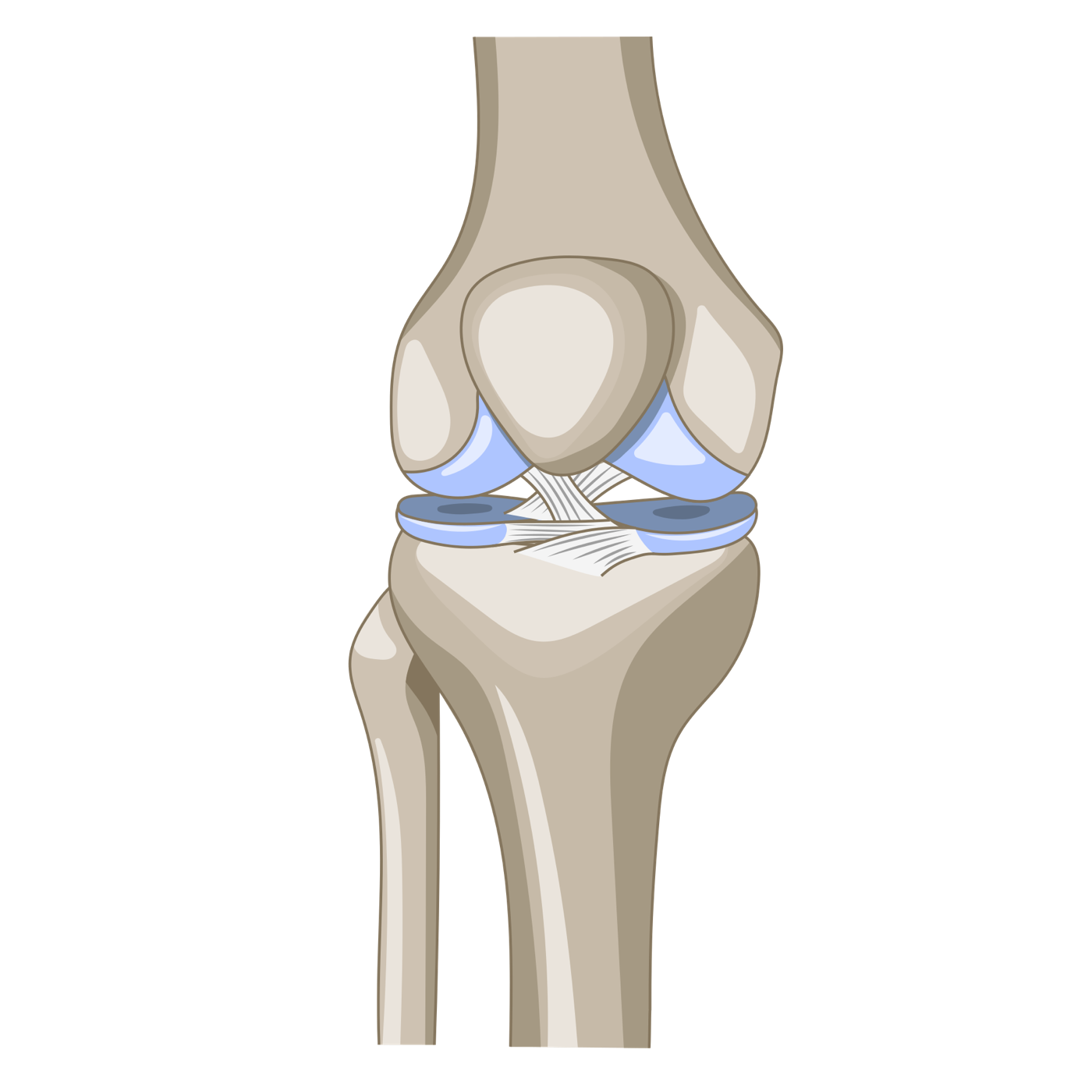
See what your body is doing now, in two calm minutes. Pick what your care team told you, and we walk it through one picture at a time. No hard words.
FunctionalHealth
What did your care team say is going on?
Tap the one that sounds like you. There is no wrong answer. If you are not sure, your discharge papers usually say, or ask your care team.
Care teams use many names, and not every condition is here yet. That is completely OK. Ask your care team what to call what happened, and you can read about most conditions in plain words at MedlinePlus.
MedlinePlus health topics (NIH)How can I prevent falls at home?
Many falls happen at home. Pick the areas your home has, then check anything true where you live. It becomes a printable fix-it list you can carry to your doctor or hand to family.
Which areas does your home have?
Tap the areas above to begin. Only the ones you pick will show their checks.
Check your steadiness.
The CDC's full falls check: twelve yes-or-no questions, one line at a time. It takes about two minutes and becomes a sheet you can print and carry to your doctor. It works for you or someone you love.
One line at a time
Answer honestly for yourself. There are no wrong answers, and you can change any line before you finish. Your answers stay on this phone and clear when you close your browser.
Key question
I have fallen in the past year.
People who have fallen once are likely to fall again.
Practice getting up from the floor.
The safest time to learn this is before you ever need it. If you practice, pick a soft surface next to a sturdy chair, and have someone nearby the first few times. It turns a scary moment into a plan.
Take your time
Do not try to get up too quickly. Take a breath and check that you feel ready.
Roll onto your side
Turn gently onto your side, then push yourself up onto your hands and knees.
Find something stable
Look for a heavy piece of furniture, like a chair or the bed frame, or a bath or sink, to hold onto.
Put one foot flat on the floor
Bring one foot forward so the sole is flat on the floor. Hold the support firmly.
Stand up slowly
Push through your foot and your hands to rise. Take your time. Sit down and rest before moving on.
Source: NHS (nhs.uk/conditions/falls).
Take a calm minute.
Recovery is work, and worry is part of it. A slow breath or a few quiet minutes settles the body. Use this any time of day.
Ready when you are
There is no wrong pace. Follow the circle, and breathe in a way that feels easy for you.
To wind down tonight
- Turn screens off before bed. Let your mind land first.
- Do something calm and a little boring. Page through a magazine, or listen to quiet music.
- Make your last coffee early in the afternoon. Caffeine lingers for hours.
- Skip the nightcap. Alcohol makes you sleepy at first, then breaks up the second half of the night.
Sources: American Academy of Sleep Medicine · Sleep Foundation, caffeine and sleep · Sleep Foundation, alcohol and sleep.
More in our sleep guideTake your steady plan with you.
One sheet with your questions and your steps, in big print. Bring it to your next visit, or send it to the person who helps you.
What to ask your doctor
- Can we go through my falls check together?
- Are any of my medicines making me more likely to fall?
- Would a balance or strength check, or physical therapy, help me?
- Should I have my vision, feet, or blood pressure looked at?
Signs doctors treat as emergencies
- You hit your head when you fell. Get help right away, especially if you take a blood thinner.
- You cannot get up, or you are in pain that will not ease.
- You feel faint, your chest hurts, or your speech or one side feels off.
Symptoms like these are treated as emergencies. Call 911.
Sources
- CDC STEADIStay Independent: Check Your Risk for Falling
- CDCFacts About Falls
- National Institute on AgingPreventing Falls at Home, Room by Room
- CDCPhysical Activity Guidelines for Older Adults
- National Institute on AgingExercise and Physical Activity for Older Adults
This page is a screen and an education aid, not medical advice. It cannot tell you what is wrong. Everyone ages differently. Always check with your doctor before changing your exercise, diet, or medicines.
Your next step
Check your steadiness first
The falls check takes five minutes and shows you where to start.